

Table of Contents
Quito sits at nearly 10,000 feet. You feel it in your lungs the moment you step off the plane—a tightness that doesn't quite release, a reminder that you're standing on the spine of the Andes. The airport itself felt like an introduction to what Ecuador would be: modern efficiency surrounded by mountains so massive they seemed painted onto the sky.
I came alone, which felt right for this trip. Sometimes you need to experience a place without the filter of another person's reactions, without negotiating where to eat or how long to linger. Ecuador had been on my list for years—the Galápagos always the draw—but I'd decided to spend a few days in Quito first, to adjust to the altitude and to see what the capital had to offer beyond a layover.
The Old Town
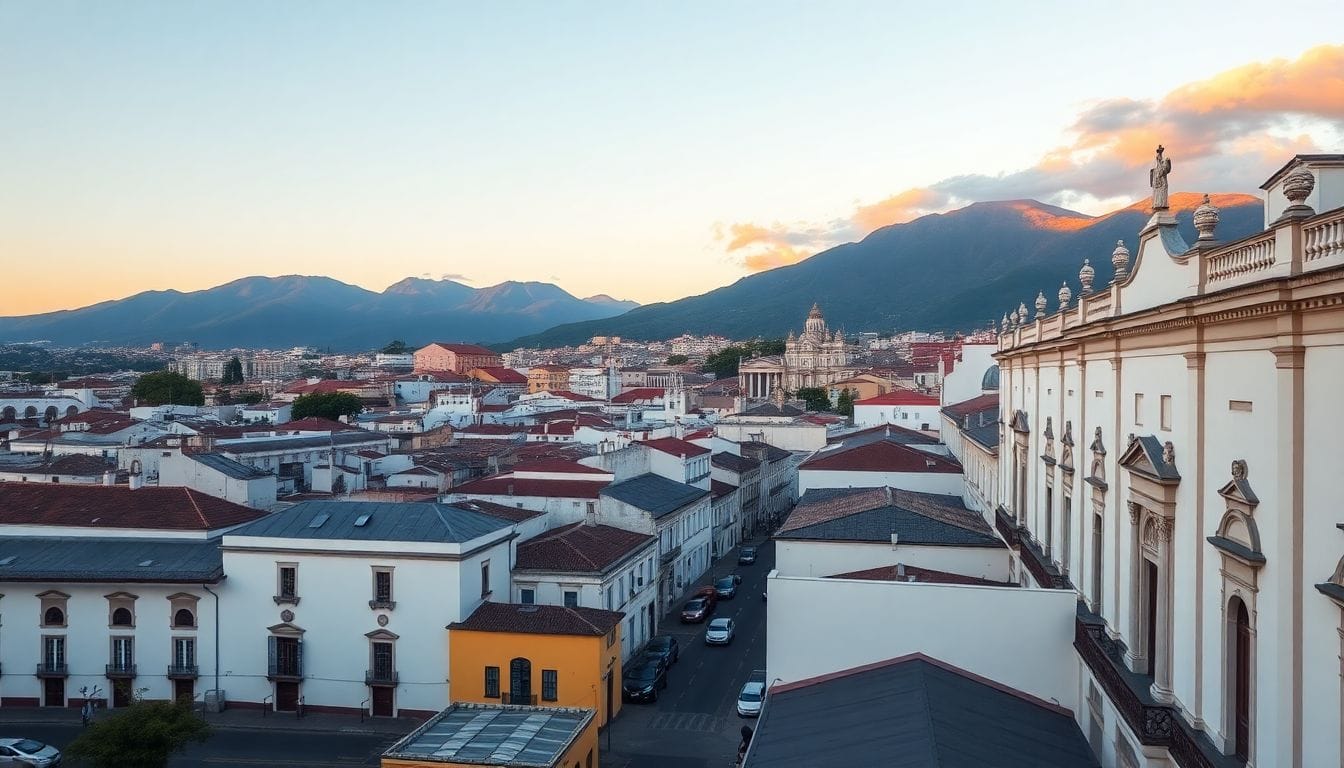
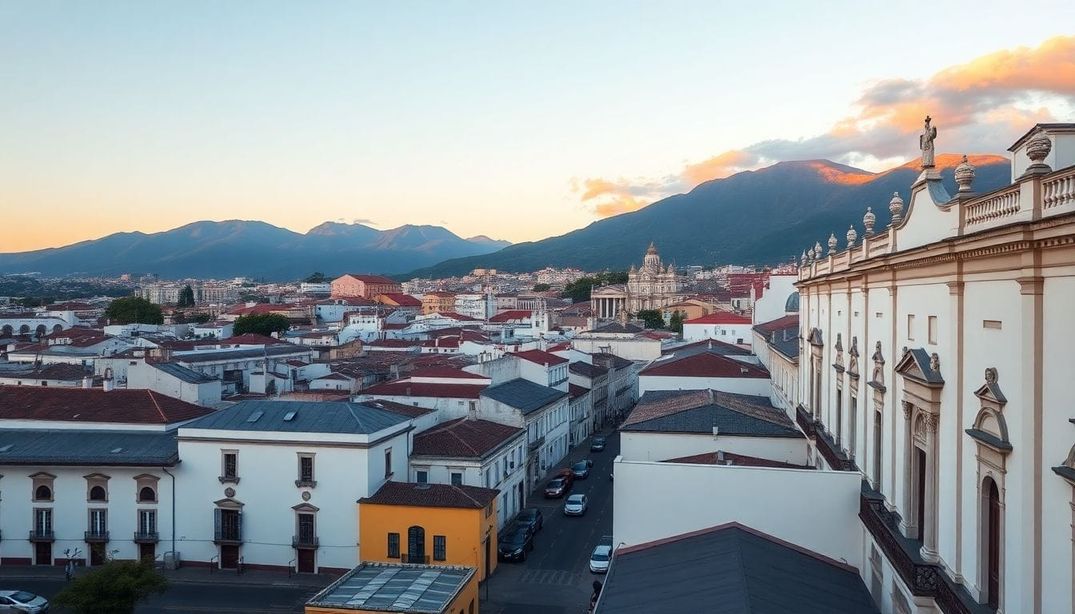
The old town is a UNESCO World Heritage Site, and you understand why immediately. Colonial churches with gold-leaf interiors stand on every corner, their bells marking the hours in a city that feels suspended between centuries. The architecture tells the story of conquest and faith—massive stone facades built by indigenous hands under Spanish direction, Baroque extravagance transplanted to the equator. Plaza Grande sits at the heart of it all, the presidential palace on one side, the cathedral on the other, locals and tourists sharing benches in the thin mountain air.
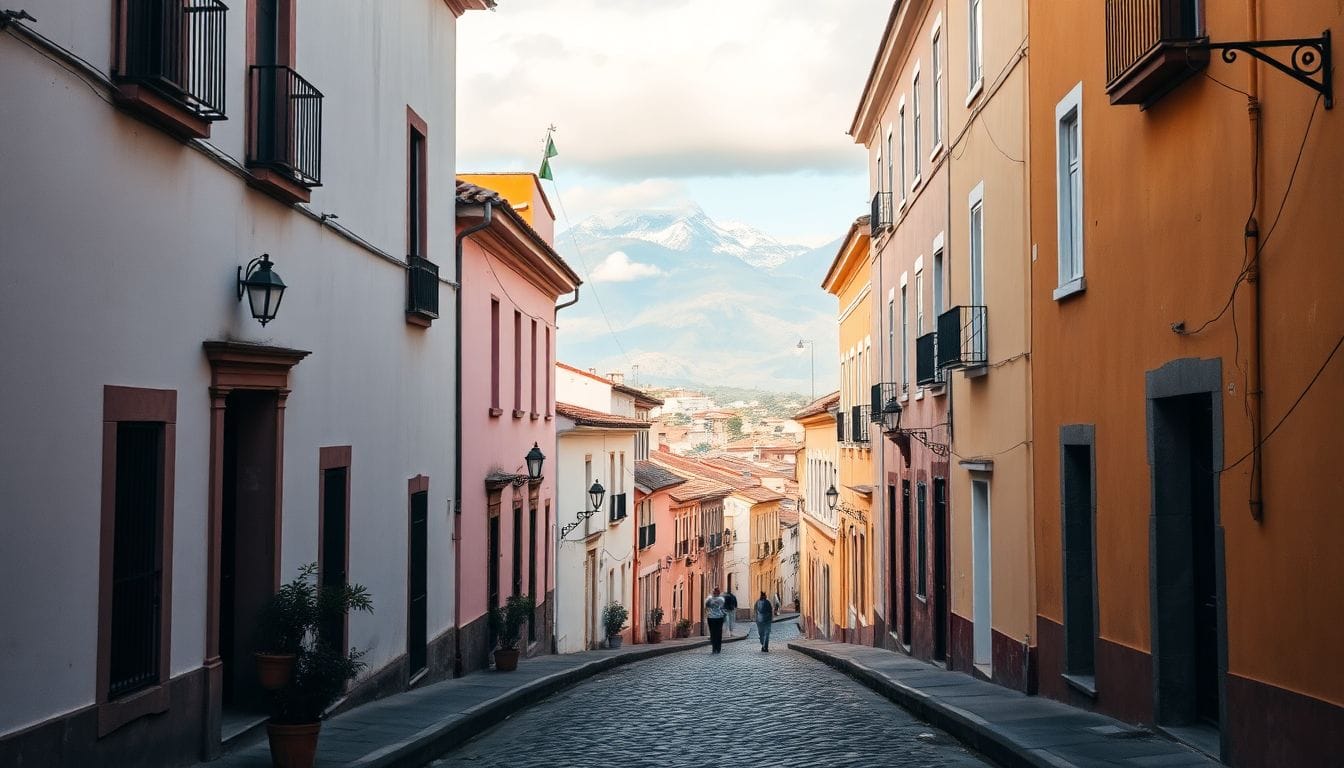
The streets are narrow and steep, cobblestoned in patterns that have survived earthquakes and revolutions. I walked slowly—partly because of the altitude, partly because there was so much to absorb. Indigenous women in traditional dress sold fruits from baskets, their bowler hats and embroidered shawls bright against the white colonial walls. The smell of roasting corn drifted from street vendors. Somewhere a radio played cumbia, the music echoing off the stone buildings and disappearing into the mountain air.
The altitude makes everything slightly surreal. Colors seem more vivid against the thin atmosphere. Sounds carry differently—conversations from a block away reaching you intact, the church bells resonating longer than they should. I found myself breathing consciously, something you never do at sea level, aware of each inhale as my body adjusted. The locals moved without effort while I took frequent breaks, sitting on church steps to catch my breath, watching the city flow around me.
The Find
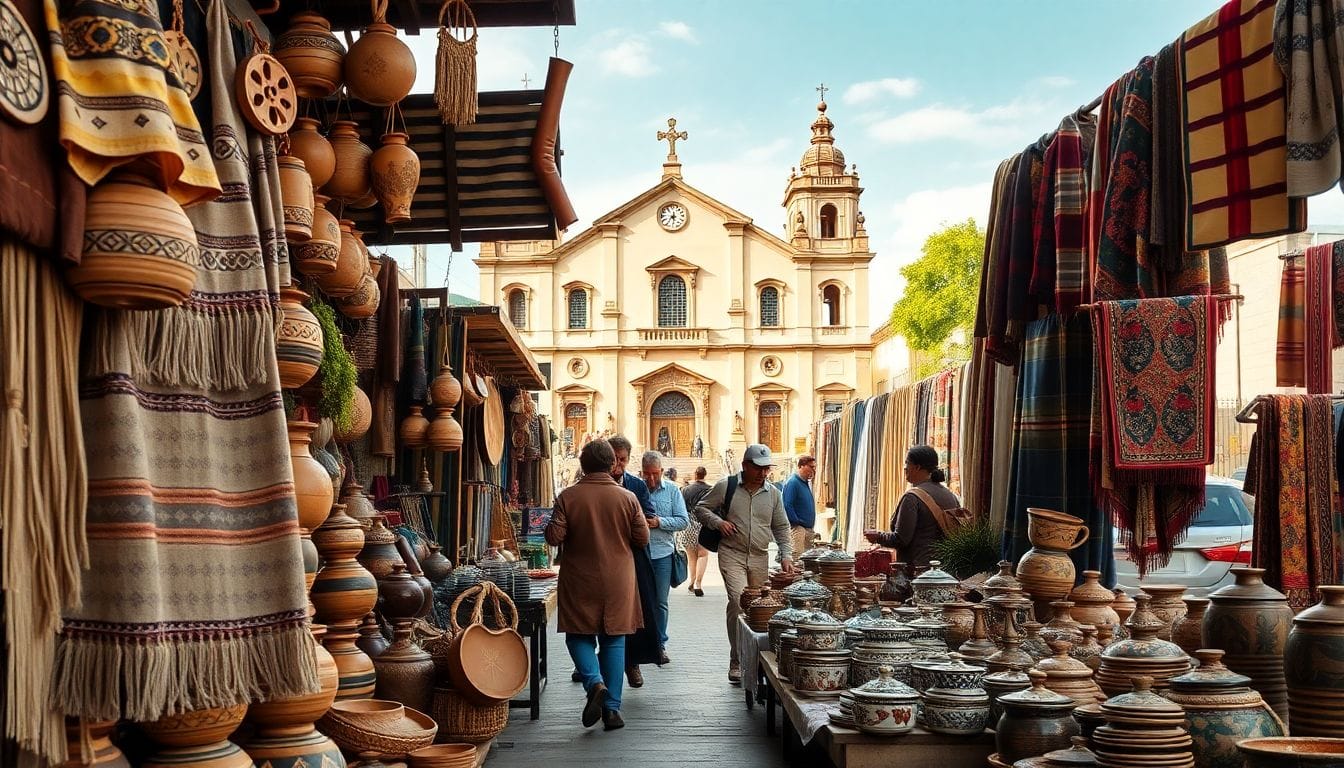
I found the pottery in a market that sprawled through several blocks near San Francisco church. The vendors had set up their stalls in the shadow of the monastery, religious iconography looming over tables of handmade goods. There were textiles in colors that seemed impossible—fuchsias and electric blues woven into patterns that predated the Spanish conquest. Leather goods and silver jewelry and carved tagua nuts. And ceramics—rows of them, from tourist trinkets to pieces that stopped me mid-stride.
Ecuadorian pottery carries influences from indigenous traditions that predate the Inca, layered with Spanish colonial techniques and contemporary artistic sensibilities. The result is something distinctly Andean—earthy and sophisticated, ancient and modern.
The stall was run by a couple who spoke little English but communicated through gesture and patient demonstration. They showed me how each piece was made—the clay from the highlands, the glazes mixed from local minerals, the firing done in small kilns behind their home in a village I'd never heard of. Their work was different from what I'd seen elsewhere in South America. Not the bright painted designs of Mexican pottery, not the black clay of Oaxaca, but something earthier and more restrained.
The Pieces
The cup caught my eye first. A simple form with a speckled cream body, decorated with loose blue brushstrokes that looked almost accidental but couldn't have been. The blue was the color of high-altitude sky—that particular saturated shade you only see when there's less atmosphere between you and the sun. The speckles in the clay gave it texture, made it feel organic, alive. When I picked it up, the weight surprised me—substantial, meant for daily use, not just display.
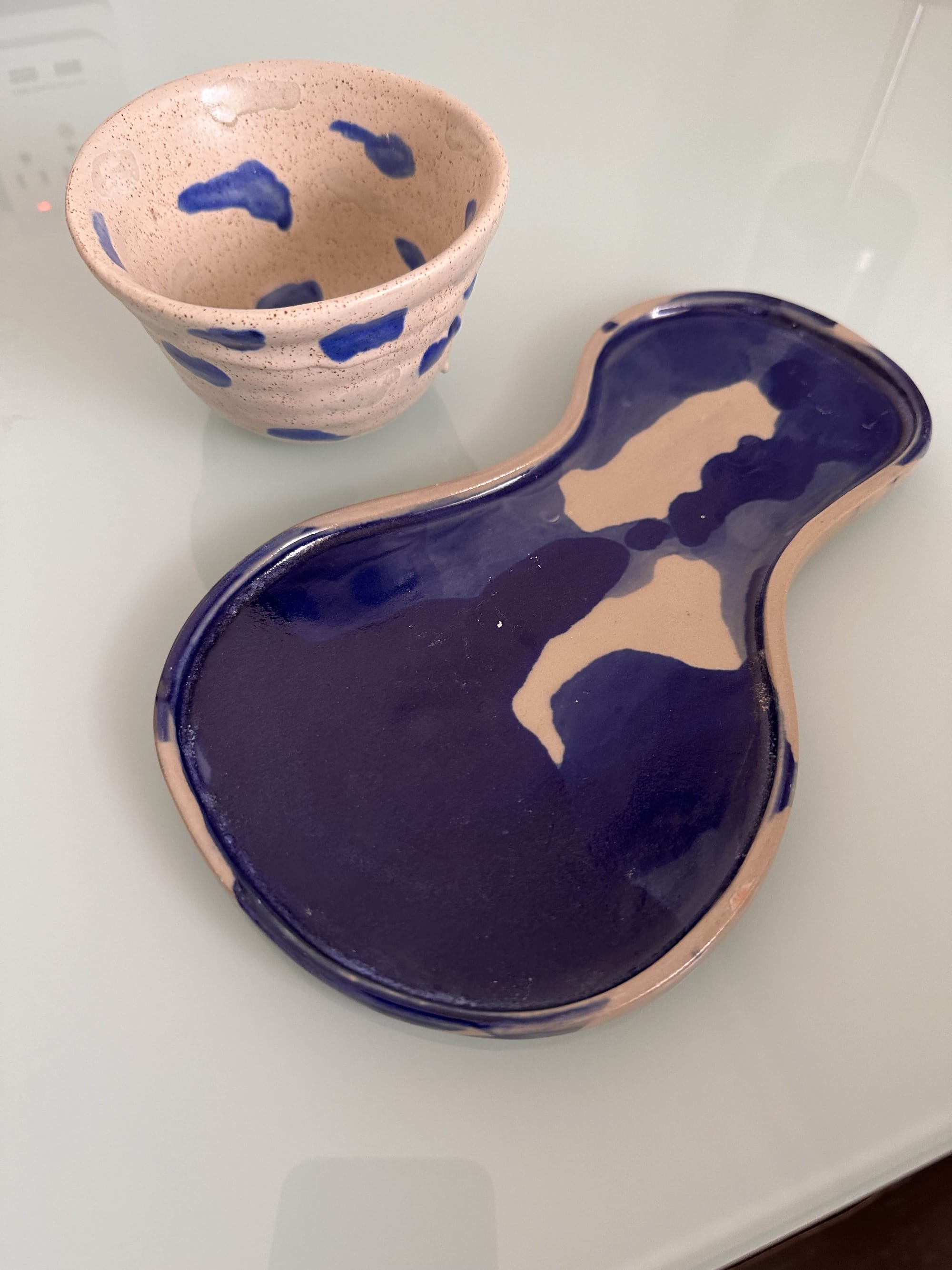
The dish was its companion—gourd-shaped, a traditional form I'd seen in pre-Columbian museums but rendered here in contemporary colors. Deep cobalt glaze covered most of the surface, with cream accents that looked like clouds drifting across a night sky. The shape was meant for serving—appetizers, small bites, the kind of food you share—but the glazework was personal, bold in a way that felt like signature rather than tradition.
The woman wrapped them carefully, more carefully than the modest price suggested. Newspaper first, then plastic, then more newspaper—layers of protection that said these pieces mattered to her beyond commerce. Her husband watched, nodding approval at each layer. They were sending their work into the world, trusting a stranger to carry it across an ocean, and they wanted it to arrive intact.
The Memory
That evening I ate ceviche at a restaurant overlooking the city, watching the lights come on across the valley as the sun dropped behind the mountains. Quito spreads through a narrow highland basin, buildings climbing the slopes in every direction, and from the right vantage point you can see the whole thing—a city of nearly three million people nestled in the Andes like it's been there forever. The ceviche was different from what I knew—shrimp in citrus with corn nuts and popcorn on top, a coastal dish adapted for the mountains.
The pieces made it home intact, thanks to those careful layers of newspaper. They sit together now on my shelf—the cup and the dish, complementary colors that reference each other. The blue of one picked up in the other, the cream connecting them like a shared vocabulary. When I use them, which is often, I think about that market in the shadow of San Francisco church, the thin air, the couple who made something beautiful with their hands and trusted me to carry it across an ocean.
Quito taught me that altitude changes more than breathing. It changes perspective—literally, when you're standing at 10,000 feet looking out over a city that's been there for centuries, and figuratively, when the thin air makes everything feel both more immediate and more distant. The pottery carries that feeling. Something about the colors, the craftsmanship, the deliberate imperfection of handmade things. They remind me that the best souvenirs aren't objects you buy but moments you manage to bring home.